
Fertility, Pregnancy, Loss, & Postpartum
There are certain periods of life that change things in ways you cannot fully understand until you are in them. Fertility, pregnancy, pregnancy loss, and becoming a parent can be some of those times.
There can be excitement, grief, fear, resentment, relief, uncertainty, and joy, sometimes all within the same week. For some people, getting pregnant is not straightforward. For others, pregnancy brings unexpected anxiety or difficult decisions. Loss can change the way you experience your body and future pregnancies. And bringing a baby home can be much harder than you expected.
These experiences can affect your mental health, your relationship, your sense of identity, and your expectations for what this stage of life was supposed to look like.
Therapy can give you somewhere to work through all of that without having to make your experience fit a particular narrative.
Fertility Can Be More Complicated Than You Expected
Trying to have a baby can become an experience that takes over your life.
Infertility, fertility treatments, pregnancy after infertility, and the uncertainty of not knowing what comes next can bring a lot of emotions that are difficult to explain to people who have not been through it.
You may be dealing with disappointment after disappointment, complicated feelings toward your body, resentment toward people who seem to get pregnant easily, anxiety around appointments and test results, or grief over the experience of parenthood you thought you would have.
There can also be a lot of pressure to stay positive when what you actually feel is exhausted, angry, scared, or sad.
Therapy can be a place to talk honestly about those feelings without having to make them more positive or acceptable for someone else.
Pregnancy Doesn't Always Feel the Way You Thought It Would
Pregnancy can bring significant physical and emotional changes, and it does not automatically feel like a happy or peaceful time.
You may experience anxiety about the pregnancy, changes in your identity, concerns about becoming a parent, relationship stress, difficult decisions, or fear about what comes next. Previous trauma can also become more present during pregnancy, particularly when you are experiencing changes in your body or preparing for an experience that involves a loss of control.
For some people, pregnancy also brings up complicated feelings about their own childhood, their parents, or the kind of parent they want to become.
You are allowed to have mixed feelings about becoming a parent. Being grateful for your pregnancy does not mean you cannot also feel overwhelmed, afraid, or unhappy at times.
Pregnancy Loss Is a Loss
Miscarriage, stillbirth, termination for medical reasons, and other forms of pregnancy loss can bring a kind of grief that is often difficult for other people to understand.
There may not be a clear way to talk about what happened. You may feel grief, anger, guilt, numbness, relief, or even uncertainty about what you are supposed to be grieving.
You may also find yourself grieving the future you had already started imagining.
There is no single way to experience pregnancy loss, and there is no timeline you need to follow. Therapy can provide space to process the loss in whatever way it exists for you.
The Transition to Parenthood
Having a baby is often described as one of the happiest experiences of life. It can be that, but it can also be incredibly difficult.
Becoming a parent changes your routines, priorities, relationships, body, sleep, independence, and sense of identity. There is suddenly another person who needs you, often at the exact time when you are exhausted and trying to figure out who you are in this new role.
It can be a major adjustment even when the baby is healthy, the pregnancy went well, and you wanted this deeply.
For some people, this is the hardest transition they have experienced in their life.
You may miss your old life while loving your baby. You may feel disconnected from your partner. You may feel like everyone else knows what they are doing while you are just trying to get through the day.
Those experiences deserve somewhere to go.
Perinatal Mood & Anxiety Disorders
Sometimes the emotional changes during pregnancy or postpartum become more than an adjustment.
Perinatal mood and anxiety disorders can include depression, anxiety, panic, obsessive thoughts, intrusive thoughts, and other significant changes in mood or functioning during pregnancy or after having a baby.
You may know that what you are feeling is not how you normally feel, but still have a hard time asking for help.
You might worry that having these thoughts means you are a bad parent. It doesn't.
Therapy can help you understand what is happening, reduce the intensity of symptoms, and determine what additional support may be appropriate.
When a Baby Changes a Relationship
Having a baby does not create relationship problems out of nowhere, but it can put existing patterns under a microscope.
You may suddenly have less time for each other, more conflict about responsibilities, very little sleep, and different ideas about how things should be done. Intimacy can change. Communication can become more difficult. One partner may feel like they are carrying more of the mental load while the other feels pushed away or unsure how to help.
It can be difficult to maintain a relationship while both people are adjusting to becoming parents.
Couples therapy can provide a space to work through these changes together rather than waiting until resentment has taken over.
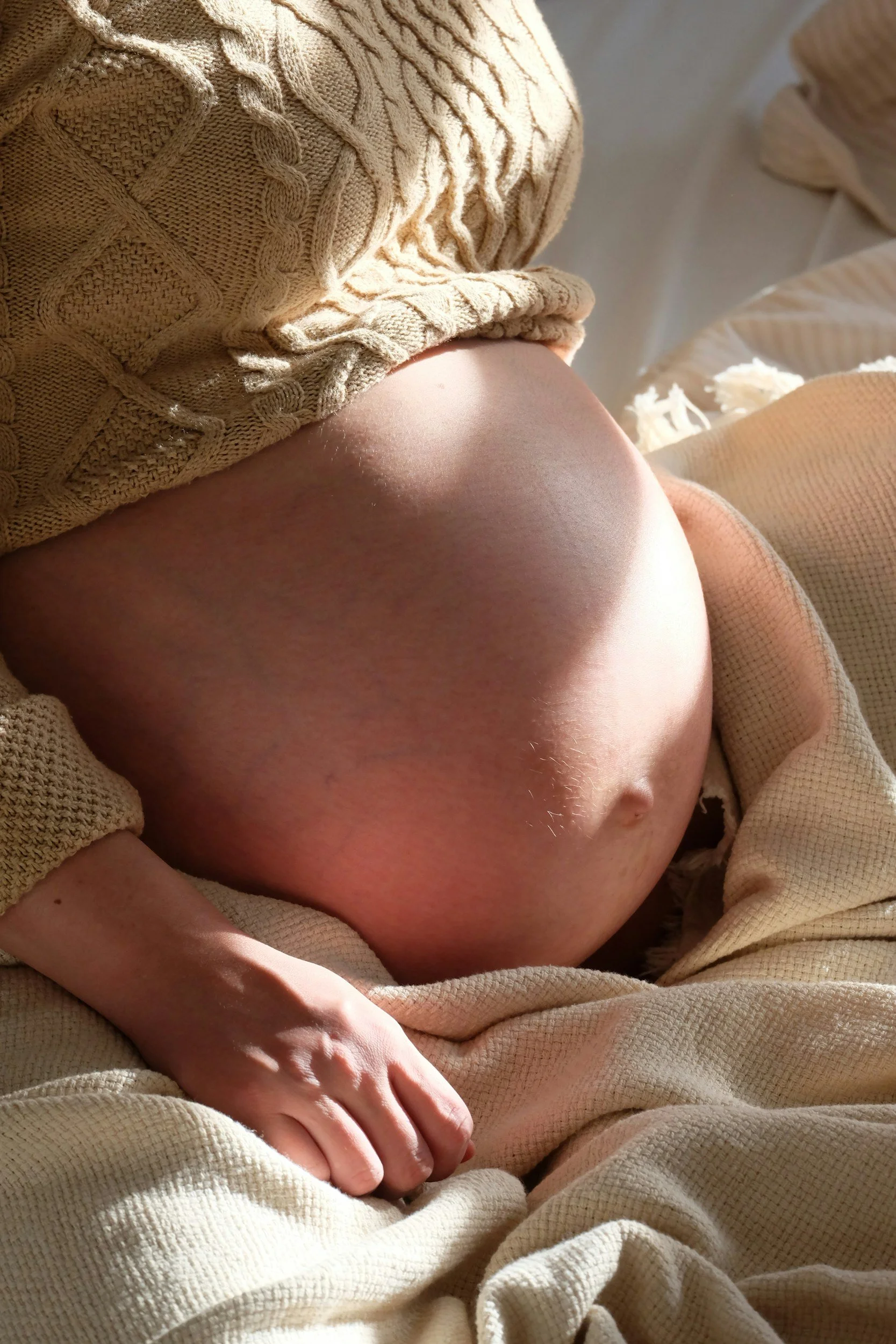
My work with fertility, pregnancy, loss, and postpartum concerns is grounded in trauma-informed and attachment-based therapy, with additional training and experience in perinatal mental health. Depending on what you are experiencing, therapy may involve EMDR, somatic work, attachment-focused therapy, IFS-informed approaches, or simply having a place to slow down and make sense of what is happening. I am not interested in telling you what you should be feeling during this stage of life.
I want to understand what this experience has actually been like for you. Whether you are struggling to become pregnant, processing a loss, preparing for a baby, adjusting to parenthood, or trying to find your footing after the transition, there is room for your experience here.